
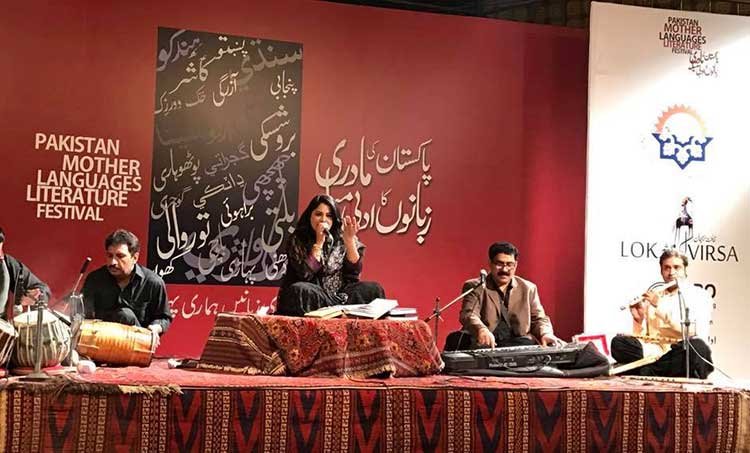
Pakistan is a land of extraordinary linguistic beauty and literary depth. From the poetic richness of Urdu to the soulful Sufi verses of Punjabi and Sindhi, from the heroic rhythm of Pashto to the folklore of Balochi and Saraiki — each language reflects the cultural, emotional, and historical identity of its people. Pakistani language and literature are not just academic subjects; they are living expressions of generations who dreamed, struggled, loved, and preserved their heritage through words.
The diversity of Pakistan’s languages makes the nation one of the most linguistically vibrant regions in South Asia. More than 70 languages are spoken across its provinces, valleys, mountains, and deserts. Each carries stories of migration, devotion, art, and evolution. Literature, whether written or oral, has played a vital role in shaping Pakistani consciousness — from Sufi poetry and classical prose to modern novels, dramas, and digital literature.
This article explores the richness, history, evolution, and societal value of Pakistani languages and literature.
Linguistic Diversity of Pakistan
Pakistan’s linguistic landscape is a mosaic of languages belonging to several language families such as Indo-Aryan, Indo-Iranian, Dardic, Iranian, Dravidian, and Turkic origins. This diversity reflects the multi-ethnic roots of the region.
Major Languages
Urdu – The National Language
Urdu is the national and unifying language of Pakistan. It evolved as a blend of Persian, Arabic, Turkish, and local Indian languages. Its elegant style, poetic structure, and rich literary tradition make it one of the most expressive languages in the world.
Urdu is commonly used in:
- Poetry
- Education
- Media
- National communication
- Literature and arts
Punjabi
Spoken primarily in the province of Punjab, Punjabi is the most widely spoken language in Pakistan. It is known for its warmth, lyrical flow, and deep cultural roots. Punjabi literature boasts the legendary works of:
- Waris Shah
- Bulleh Shah
- Mian Muhammad Bakhsh
Sindhi
Sindhi is historically one of the oldest languages in the region. It has a rich vocabulary, a musical tone, and profound literary heritage. Its Sufi literature, especially the verses of Shah Abdul Latif Bhittai, remains a cornerstone of South Asian spirituality.
Pashto
Pashto is spoken in Khyber Pakhtunkhwa and Balochistan. It is known for its poetic tradition and themes of bravery, honor, hospitality, and love.
Prominent Pashto writers include:
- Rahman Baba
- Khushal Khan Khattak
Balochi
Balochi is ancient in origin, with a strong tradition of storytelling, epic poetry, and tribal narratives. Its literature reflects courage, loyalty, and historical memory.
Saraiki
A sweet and melodious language, Saraiki has given the world iconic Sufi poetry, especially the works of Khwaja Ghulam Farid.
Other Regional Languages
Pakistan is also home to many smaller yet culturally significant languages such as:
- Hindko
- Brahui
- Shina
- Balti
- Wakhi
- Kashmiri
Each of these languages adds a unique color to Pakistan’s cultural identity.
Evolution of Language Use in Pakistan
Language use in Pakistan has evolved significantly since independence, influenced by national identity, cultural preservation, and globalization.
Urdu as a Symbol of Unity
When Pakistan was created in 1947, Urdu was chosen as the national language to unify the country’s diverse linguistic landscape. Though it was not the mother tongue of most citizens, it represented Muslim identity, shared literary history, and cultural integration.
Urdu today serves as a bridge between people of different linguistic backgrounds.
The Growth of Regional Languages
Even as Urdu gained national prominence, regional languages retained and expanded their influence. Many have experienced a revival due to:
- Regional literature
- TV dramas
- Music and folk traditions
- Cultural festivals
- Academic programs
Regional languages are essential for preserving cultural roots and promoting inclusivity.
The Role of English
English holds official status and is widely used in:
- Higher education
- Government administration
- Business
- Law
- Technology
Pakistan’s trilingual environment — Urdu, English, and regional languages — creates a complex but dynamic linguistic system.
The Literary Heritage of Pakistan
Pakistan’s literary heritage is vast and multi-layered. It includes classical poetry, Sufi writings, modern fiction, political literature, feminist literature, war narratives, and contemporary digital expression.
Pre-Pakistan Classical Literature
Before the creation of Pakistan, the region had a thriving literary culture influenced greatly by Persian and Sufi traditions.
Persian Influence
Persian was historically the language of administration, poetry, and scholarship. It shaped literary expression across the Indian subcontinent. Many early Urdu poets like Mir Taqi Mir and Ghalib drew heavily from Persian style.
Sufi Literature
Sufism played a transformative role in shaping Pakistani literary identity. Its themes include spirituality, divine love, tolerance, and inner purification.
Famous Sufi poets include:
- Shah Abdul Latif Bhittai
- Bulleh Shah
- Sachal Sarmast
- Waris Shah
- Rahman Baba
- Khwaja Ghulam Farid
Their poetry continues to inspire people across languages and generations.
Literature of the Pakistan Movement
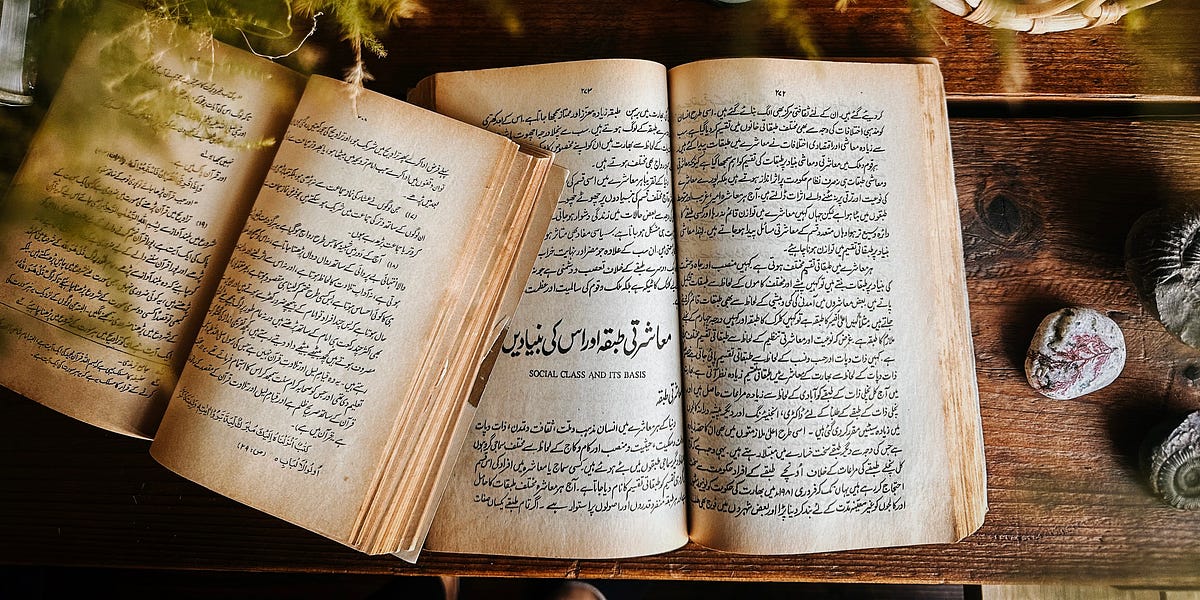
Literature played a crucial role in motivating Muslims during the Pakistan Movement. Poetry became a source of hope, activism, and identity.
Allama Iqbal
Iqbal’s poetry sparked self-awareness and unity among Muslims. His philosophy of Khudi and his dream of a separate homeland became the ideological foundation for Pakistan.
Faiz Ahmed Faiz
Faiz’s revolutionary poetry captured pain, sacrifice, love for homeland, and resistance against oppression.
Maulana Zafar Ali Khan
His writings and journalism strengthened political consciousness among Muslims.
Post-Independence Literature
After 1947, Pakistani literature diversified significantly. Writers explored themes such as:
- Identity formation
- Partition trauma
- Social injustice
- Freedom and democracy
- Gender inequality
- Spirituality and modernity
- War and peace
Important Urdu Writers & Poets
Saadat Hasan Manto
A master of short stories, Manto examined human emotions, social hypocrisy, and the brutal reality of Partition.
Qurratulain Hyder
Her works blend history, fiction, and existential questions. “Aag Ka Darya” is considered a masterpiece.
Intizar Hussain
Known for merging folklore, mythology, and modern themes.
Parveen Shakir
Her delicate yet bold poetry redefined feminine expression in Urdu literature.
Ahmad Faraz
One of the greatest modern romantic and progressive poets.
Regional Literature
Pakistan’s regional languages possess some of the richest literary traditions in Asia.
Punjabi Literature
Known for love epics, Sufi poetry, and folk tales.
Famous works include:
- Heer Ranjha
- Saiful Maluk
- Bulleh Shah’s Kafis
Sindhi Literature
Characterized by mystical poetry and philosophical themes.
Shah Latif’s “Shah Jo Risalo” remains a masterpiece.
Pashto Literature
Rooted in heroism, social ethics, and spirituality.
Rahman Baba’s verses are considered among the finest in Pashto.
Balochi Literature
Known for heroic ballads, tribal stories, and lyrical poetry.
Saraiki Literature
Soft, emotional, and spiritually rich.
Khawaja Farid’s poetry is central to Saraiki culture.
Literary Forms in Pakistan
Poetry
Poetry is at the heart of Pakistani literature. Forms include:
- Ghazal
- Nazm
- Doha
- Kafi
- Naat
- Hamd
- Marsiya
- Qawwali lyrics
Poetry remains the most widely celebrated art form.
Prose
Pakistani prose includes:
- Short stories
- Novels
- Essays
- Plays
- Fiction and non-fiction
- Autobiographies
- Travelogues
Drama & Television Literature
Pakistan has a strong tradition of drama writing, with writers like:
- Ashfaq Ahmed
- Bano Qudsia
- Haseena Moin
- Amjad Islam Amjad
English Literature from Pakistan
Pakistan has produced globally recognized English-language authors:
- Mohsin Hamid
- Kamila Shamsie
- Bapsi Sidhwa
- Moni Mohsin
- Daniyal Mueenuddin
Their works explore identity, migration, politics, and multicultural experiences.
Oral Traditions & Folk Literature
Oral literature is one of the oldest and most important parts of Pakistani culture.
Forms include:
- Folk tales
- Proverbs
- Fables
- Wedding songs
- Qissa-khawani storytelling
- Folk theatre
- Traditional songs and ballads
These oral traditions preserve regional identity and history.
Importance of Pakistani Language & Literature
✔ Preserves history and culture
✔ Promotes national unity and diversity
✔ Strengthens emotional and intellectual growth
✔ Enhances creativity and critical thinking
✔ Encourages social awareness and responsibility
✔ Represents Pakistan internationally
✔ Connects modern generations with historical roots
Challenges
Some challenges include:
- Declining reading habits
- Lack of resources for regional languages
- Overdependence on foreign content
- Limited translation work
- Language divide in the education system
Future of Pakistani Literature
Despite challenges, the future is bright due to:
- Digital publishing
- Literary festivals (KLF, LLF, ILF)
- New generation of writers
- Growing interest in heritage
- More academic research
- Revival of poetry on social media