
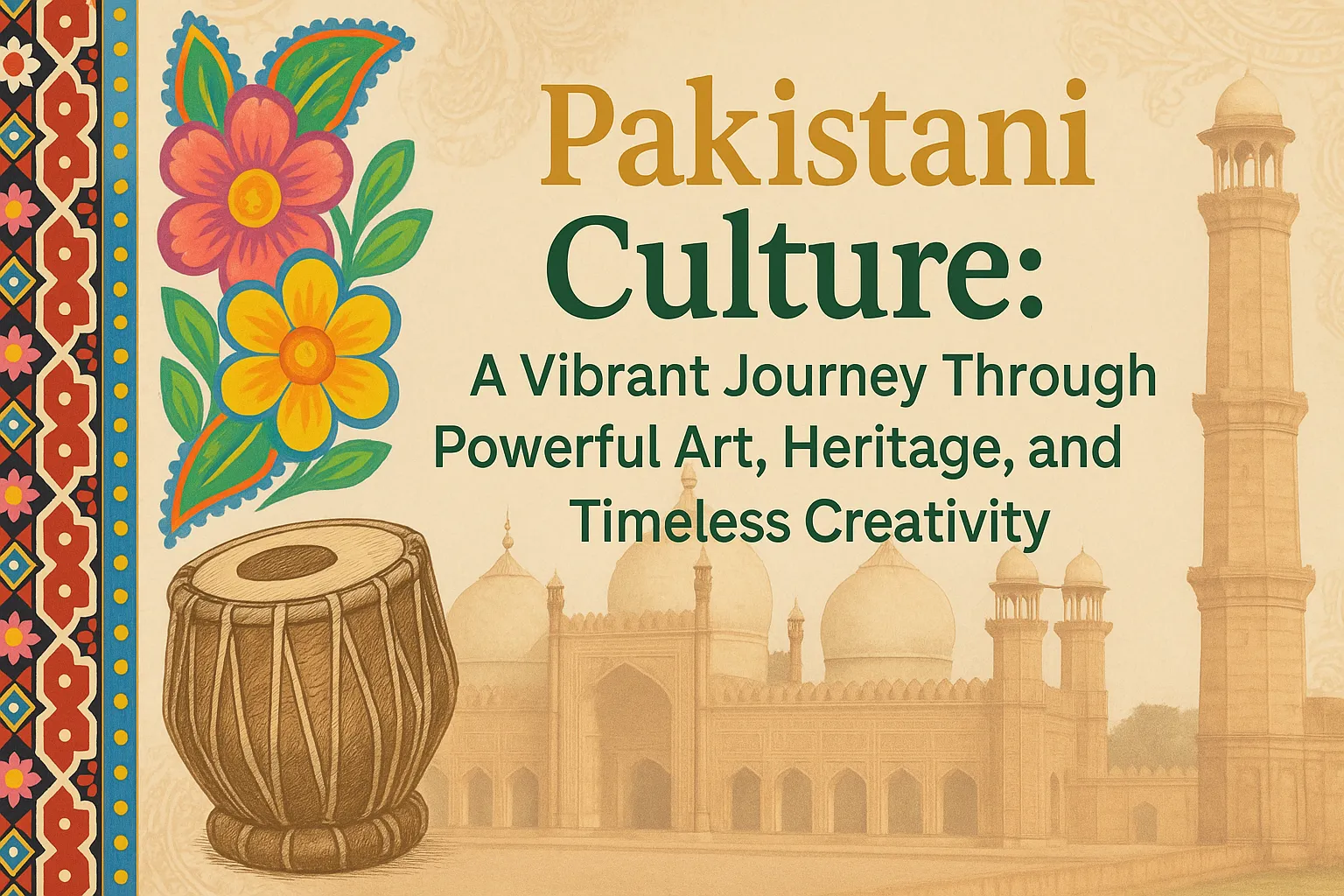
Pakistan is a land of remarkable cultural diversity, deep-rooted traditions, rich historical heritage, and vibrant social values. Shaped by centuries of civilizations, spiritual teachings, regional customs, and national struggles, Pakistan’s cultural identity is a beautiful blend of unity and diversity. Understanding Pakistani culture, history, and social awareness is not only important for appreciating the nation’s past but also essential for shaping an informed, responsible, and progressive society.
From the ancient Indus Valley Civilization to the Mughal era, from the Pakistan Movement to modern-day developments, Pakistan’s story is one of resilience, faith, creativity, and evolution. This content explores key aspects of Pakistani culture, historical foundations, national values, societal issues, and the importance of social awareness in building a stronger, more peaceful future.
The Historical Foundations of Pakistan
The Indus Valley Civilization
The roots of Pakistani history trace back over 5,000 years to one of the world’s earliest urban civilizations—the Indus Valley Civilization. Cities like Mohenjo-daro and Harappa were known for:
- Advanced urban planning
- Drainage and water systems
- Peaceful trading communities
- Artistic pottery and seals
This ancient civilization represents the beginning of the region’s intellect, creativity, and cultural identity.
Islamic Influence in South Asia
Islam reached the subcontinent through traders, Sufi saints, and Muslim rulers. Sufism became deeply ingrained in local society, teaching:
- Peace and harmony
- Love and tolerance
- Spiritual purification
- Respect for humanity
Great Sufi saints like Data Ganj Bakhsh, Lal Shahbaz Qalandar, and Shah Abdul Latif Bhittai contributed immensely to cultural and literary development.
The Mughal Era: A Golden Age
The Mughal Empire greatly influenced the region’s:
- Architecture (Badshahi Mosque, Lahore Fort, Shalimar Gardens)
- Literature and poetry
- Cuisine
- Art and calligraphy
This era shaped much of Pakistan’s cultural landscape, bringing elegance, beauty, and sophistication to the region.
The Pakistan Movement
Pakistan’s modern history revolves around a powerful struggle for a separate homeland for Muslims. Led by:
- Quaid-e-Azam Muhammad Ali Jinnah
- Allama Iqbal
- Liaquat Ali Khan
- Muslim League leaders
The movement emphasized cultural identity, political autonomy, and religious freedom. Understanding this struggle is vital for national pride and social awareness.
Diversity of Pakistani Culture
Pakistan’s culture is a rich mosaic shaped by multiple ethnicities, languages, regions, and traditions.
Ethnic Diversity
Pakistan is home to several ethnic groups, each with its own customs, dress, and traditions:
- Punjabi – known for hospitality, vibrant festivals, and folk music
- Sindhi – rich in Sufi heritage, Ajrak & Sindhi Topi
- Pashtun – strong codes of honor, hospitality, and courage
- Baloch – traditional music, dances, and tribal culture
- Kashmiri – poetic language, natural beauty, and refined cuisine
- Saraiki – soulful poetry and spiritual traditions
- Gilgit-Baltistani – unique languages, festivals, and mountain culture
This diversity strengthens Pakistan’s cultural richness and national character.
Languages of Pakistan
Pakistan has over 70 spoken languages, reflecting its cultural variety.
Major languages include:
- Urdu
- Punjabi
- Sindhi
- Pashto
- Balochi
- Saraiki
- Kashmiri
- Hindko
- Balti
- Wakhi
Urdu serves as the national language and symbol of unity, while regional languages preserve identity and heritage.
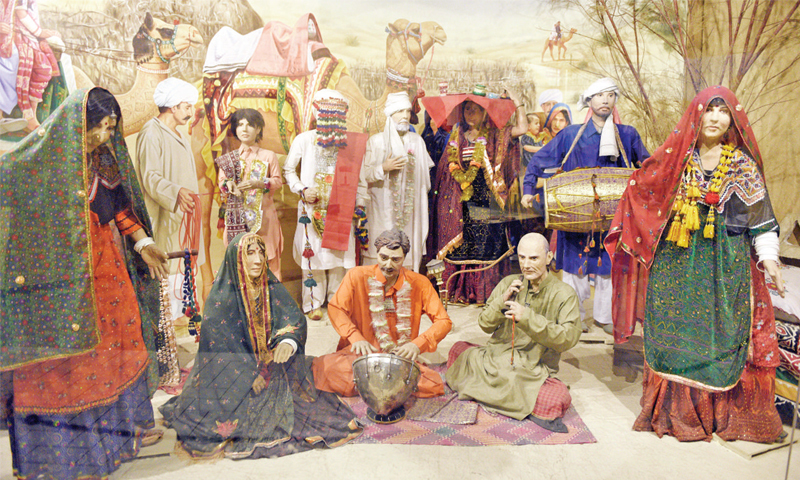
Traditional Clothing
Pakistani clothing blends elegance with comfort and tradition:
- Shalwar Kameez (national dress)
- Sindhi Ajrak
- Balochi Kameez and Turban
- Pashtun Pakol
- Multani embroidery
- Kashmiri shawls
These styles reflect cultural identity, climate, and regional lifestyle.
Music, Art & Literature
Music:
Pakistan’s music ranges from folk and classical to qawwali and ghazals. Artists like Nusrat Fateh Ali Khan, Abida Parveen, and Mehdi Hassan earned global recognition.
Art:
Traditional truck art, miniature paintings, calligraphy, pottery, and handicrafts are admired worldwide.
Literature:
Writers and poets such as Allama Iqbal, Faiz Ahmed Faiz, Bapsi Sidhwa, and Saadat Hasan Manto shaped Pakistan’s literary identity with themes of love, patriotism, justice, and humanity.
Cultural Traditions, Festivals & Social Customs
Religious Festivals
Eid-ul-Fitr:
Celebrates faith, charity, and unity after Ramadan.
Eid-ul-Adha:
Symbolizes sacrifice, gratitude, and compassion.
Milad-un-Nabi:
Honors the Prophet Muhammad (SAW) through naat gatherings and religious activities.
National Festivals
- Pakistan Day (23 March) – Lahore Resolution
- Independence Day (14 August) – celebration of freedom
- Defence Day (6 September) – tribute to bravery
- Iqbal Day (9 November) – honoring Allama Iqbal
Cultural Festivals
- Basant (Punjab) – kite-flying festivities
- Sindhi Cultural Day
- Baloch Festival
- Nowruz (Gilgit-Baltistan)
- Shandur Polo Festival – world’s highest polo ground
These festivals build unity, joy, and cultural pride.
Pakistani Cuisine: A Flavorful Heritage
Pakistan’s food culture is recognized for its spices, aroma, and unique regional flavors.
Popular Dishes Include:
- Biryani
- Nihari
- Sajji
- Karahi
- Haleem
- Sarson ka Saag
- Chapli Kabab
- Sindhi Biryani
- Kashmiri Chai
- Balti Gosht
Cuisine is an essential cultural expression, connecting people through shared meals and hospitality.
Social Awareness in Pakistan
Importance of Social Awareness
Social awareness means understanding societal values, challenges, and responsibilities. In Pakistan, this awareness is crucial for:
- Building unity
- Promoting peaceful coexistence
- Reducing social issues
- Encouraging civic responsibility
Educated, aware citizens create a stronger, progressive society.
Key Social Issues in Pakistan
Education Gap
While literacy rates are improving, many regions still need access to quality education.
Poverty
Economic inequality affects health, education, and social stability.
Health Challenges
Awareness about hygiene, mental health, nutrition, and disease prevention is essential
Gender Inequality
Empowering women through education and opportunities is vital.
Environmental Concerns
Pollution, water scarcity, and climate issues require national attention.
Role of Youth in Social Awareness
Youth are the backbone of Pakistan’s future. They can contribute by:
- Promoting education
- Supporting welfare programs
- Raising awareness through digital platforms
- Encouraging peace and tolerance
- Participating in community service
The new generation can lead Pakistan toward innovation, equality, and progress.
National Identity & Patriotism
Patriotism in Pakistan is built on:
- Unity
- Faith
- Discipline
- Respect for cultural diversity
- Love for homeland
- Commitment to national goals
Understanding national identity helps citizens appreciate their heritage and work collectively for the country’s prosperity.
The Future of Pakistani Culture & Society
Pakistan’s culture continues to evolve with technology, globalization, and modern education. While new trends emerge, it is important to preserve:
- Traditional values
- Historical heritage
- Moral teachings
- Cultural pride
Balanced development between tradition and modernity ensures a bright future for Pakistan.